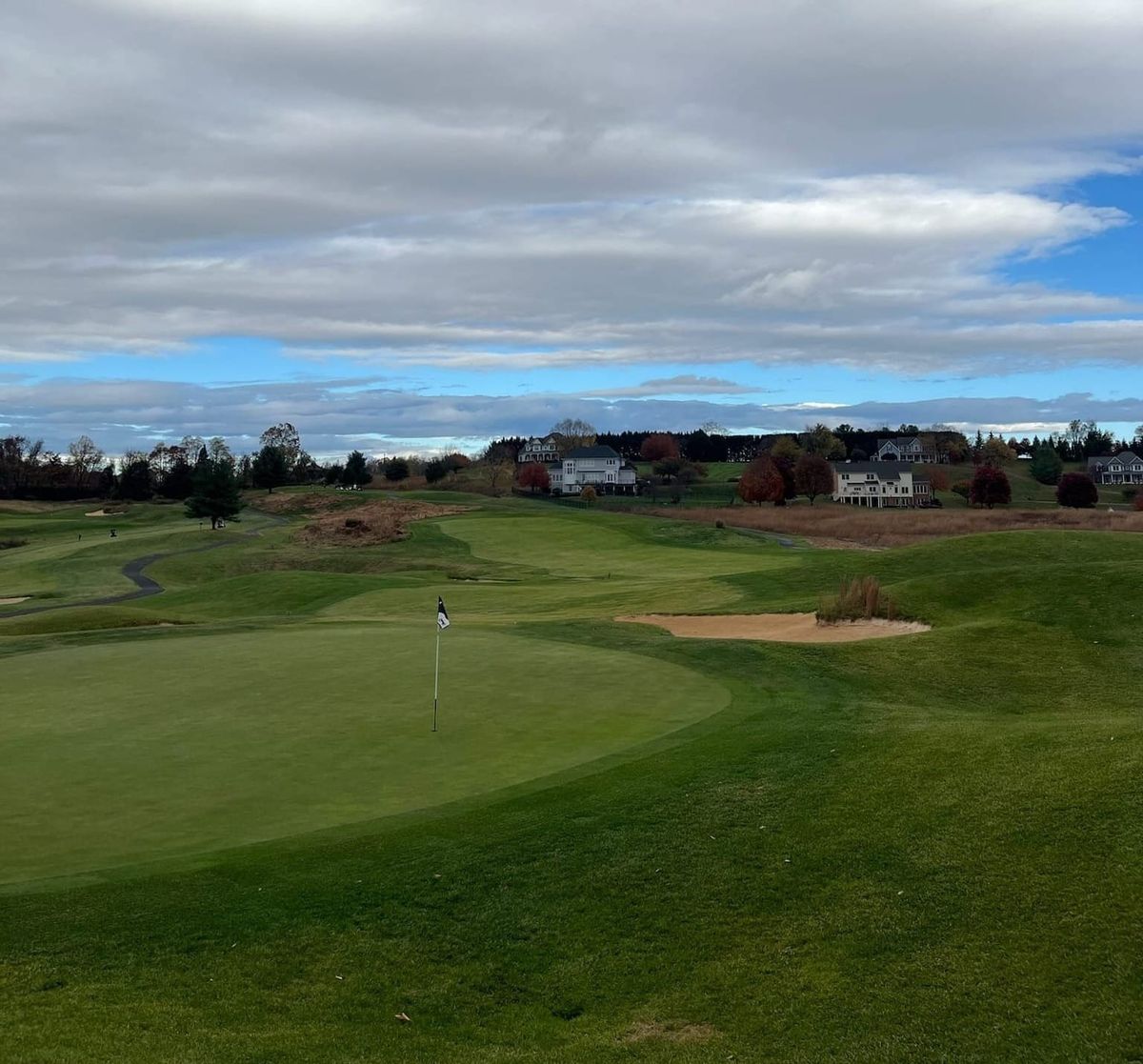
The 5th year of the East Islip crew's annual Ryder Cup trip sent us to Frederick, Maryland. Not every golf trip can be a Casa de Campo, a Bandon Dunes, or a Kiawah Island—and honestly, that’s part of the fun. Some years you stay local, keep the budget in check, and go hunting for those hidden‑gem golf pockets that most people overlook. Frederick, Maryland is exactly that kind of place.
Just four and a half hours from Long Island, it sits in that perfect sweet spot: far enough to feel like a getaway, close enough to make the logistics painless. The city itself is a blend of Civil War history and modern small‑city charm—brick-lined streets, breweries, great restaurants, and a downtown that feels alive without being overrun. It’s the kind of place you don’t hear about in the golf world, which is precisely why it belongs on this site. These are the destinations worth spotlighting: the ones quietly offering pure, affordable golf without the hype machine behind them.
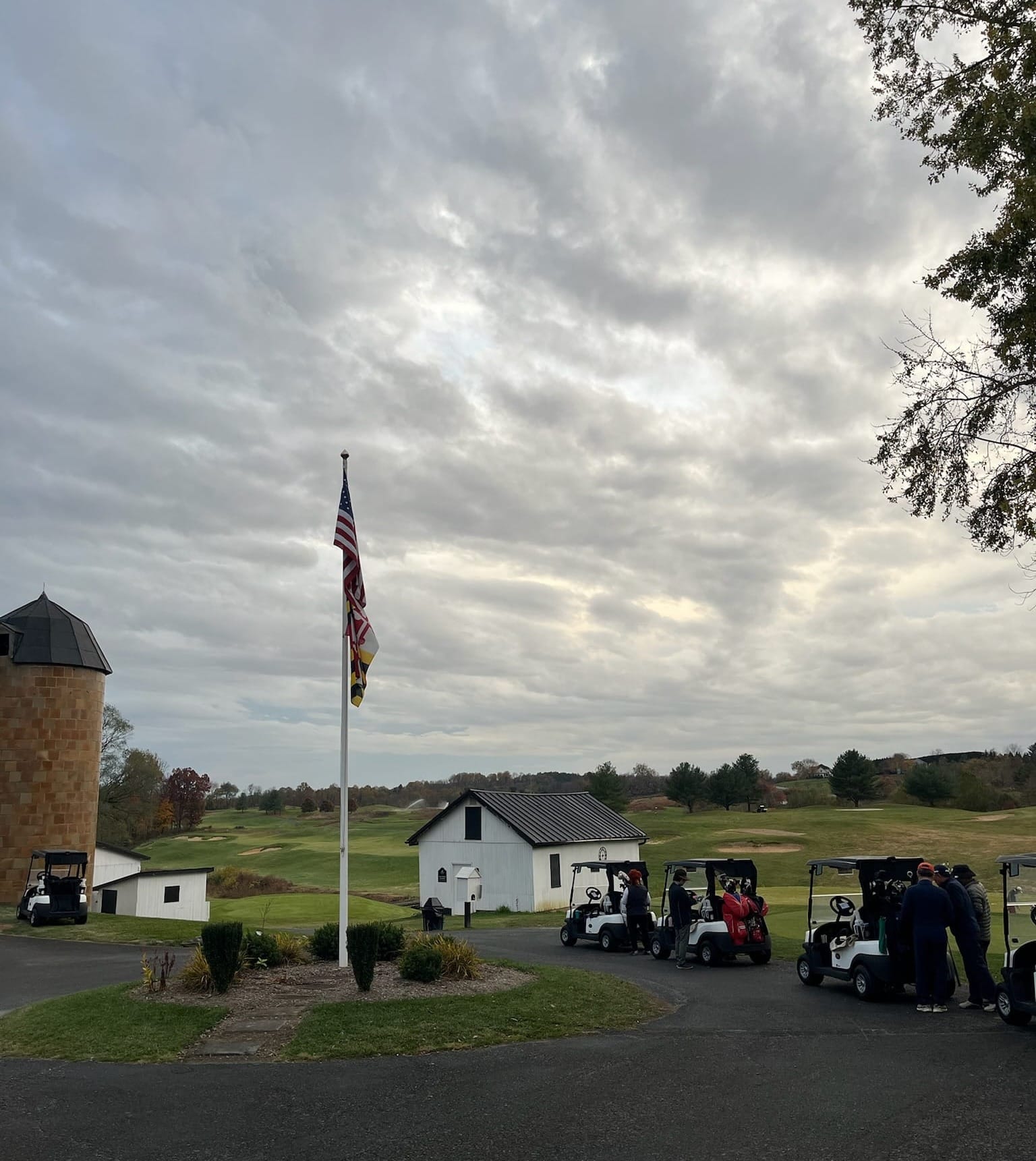
Frederick delivers exactly that. The courses are legit—challenging, well‑maintained, and way better than their price tags suggest. The area has a rugged, rolling‑Maryland look that gives each track its own personality. And because it’s not a “destination” in the traditional sense, you get value, availability, and a refreshing lack of pretense. It’s a diamond in the rough, the kind of trip that reminds you great golf doesn’t always require a passport or a five‑figure budget.
And it’s why this site exists—to uncover places like Frederick and give them the shine they deserve, especially for golfers who can’t drop four or five figures on a trip. There are pockets of incredible, affordable golf all over the country—quiet, overlooked, value‑packed destinations hiding in plain sight.
Day 1: Worthington Manor
We kicked things off with 27 holes at Worthington Manor, a course that wastes zero time letting you know what kind of day you’re in for. Before you even get to the first tee, the place sets the tone: a legit grass range, a short‑game area with a bunker you’ll absolutely see again out on the course, and multiple putting greens that give you a preview of the pace and slope you’re about to deal with. It’s the kind of warm‑up setup that tells you, “Yeah… this place means business.”
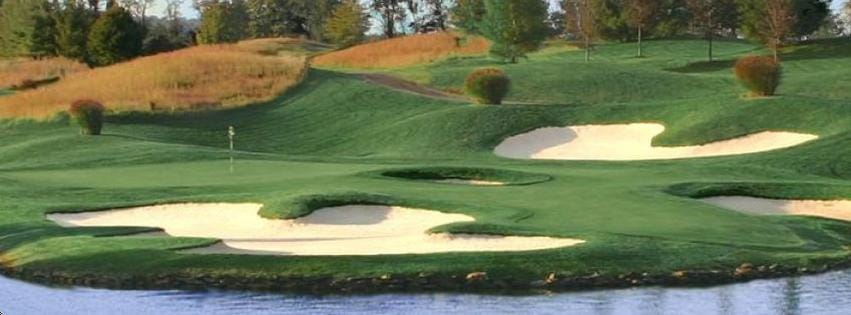
Worthington is a U.S. Open qualifying site, and it plays exactly like one—firm, fast, and demanding from the opening tee shot. It has that classic Maryland parkland look, but with enough bite to keep everyone fully locked in. Tight driving corridors force commitment. Big, strategically placed bunkers punish anything lazy. Greens reward precision and expose any hesitation. As an opening venue for a Boys Ryder Cup, it was perfect. No easing into the trip—just straight into championship‑style golf.
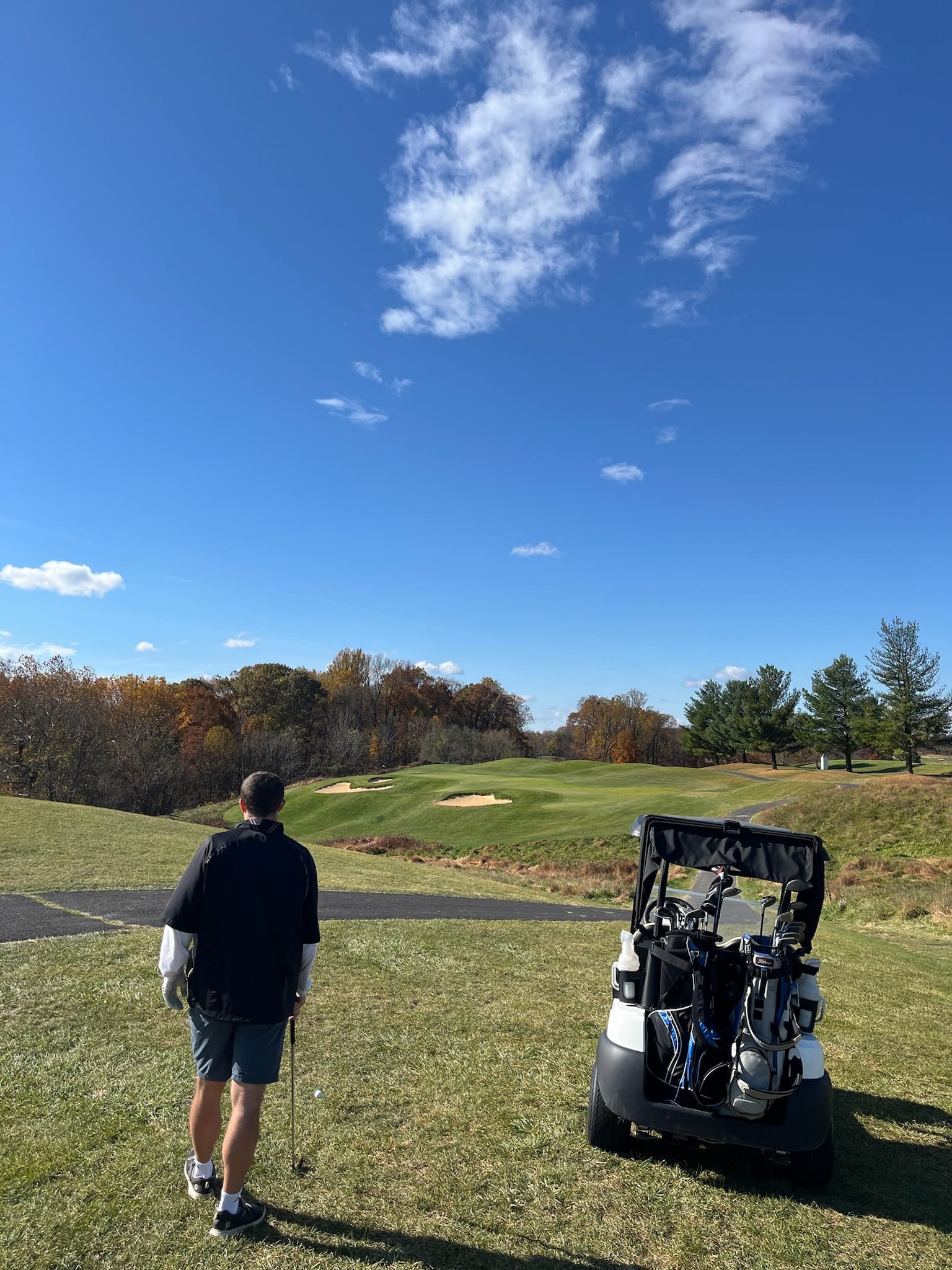
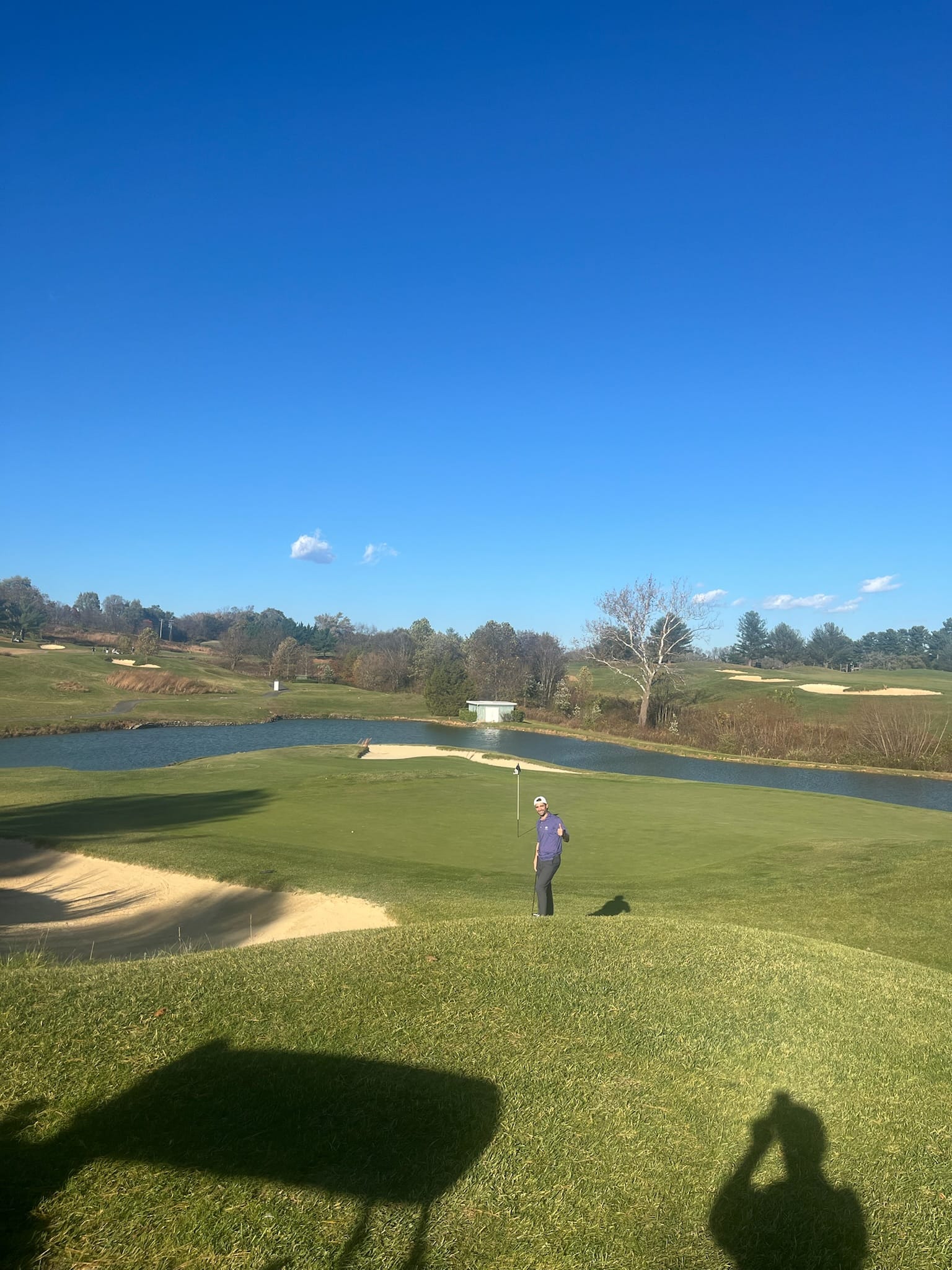
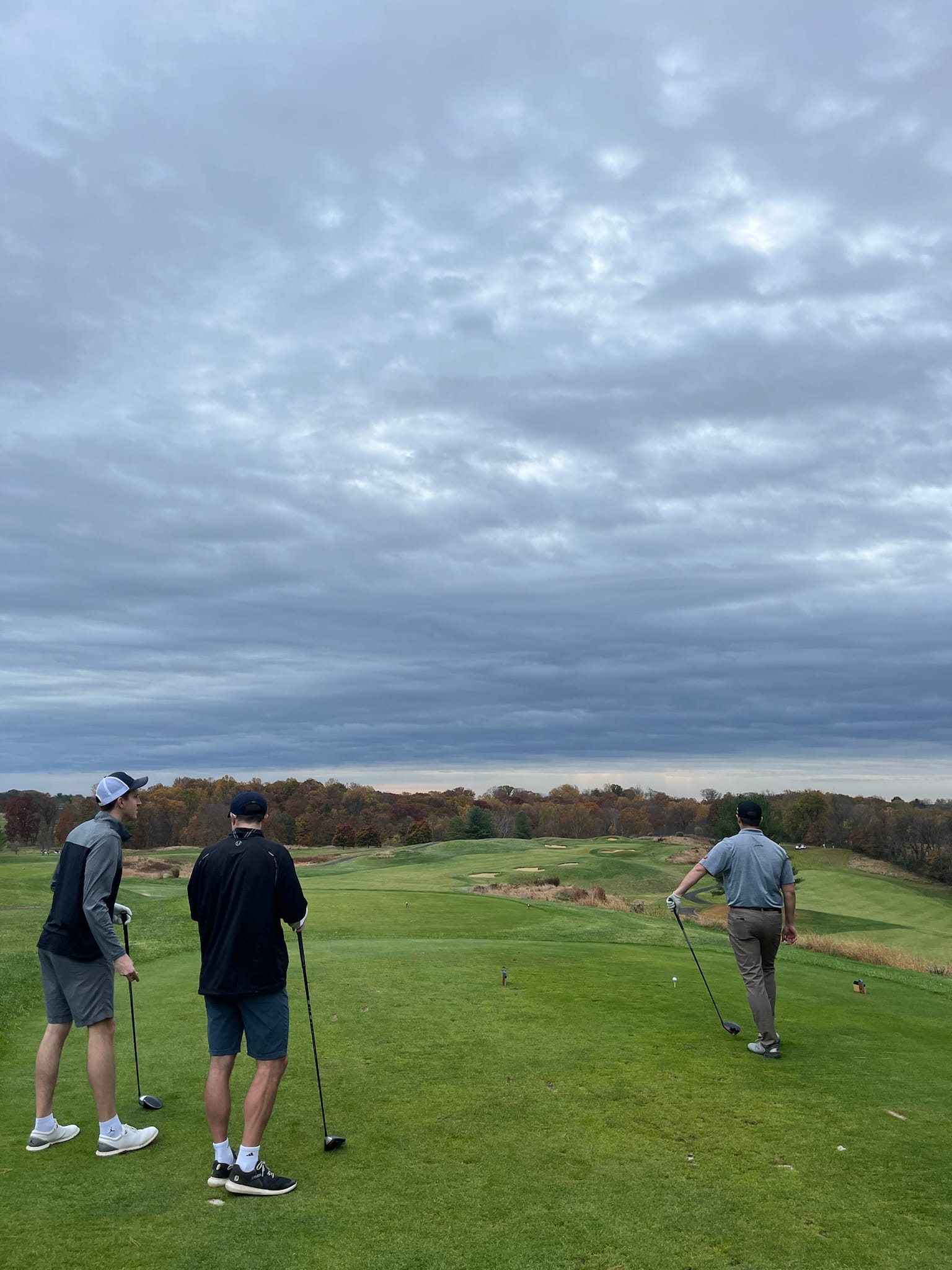
Once we crossed over to the back nine on the far side of the property, the course showed a different personality. The holes sit higher and more exposed, and the wind really started to pick up. The front nine was fun and fair, but the back nine made you think—about landing spots, about trajectories, about whether you actually trusted the shot you were about to hit. It was a mental test as much as a physical one.
The finishing stretch sealed the deal. A long, demanding par 4. A brutally tight, very long par 3 that feels like it was designed specifically to expose any cracks in your confidence. And then a gettable par 5 that tempts you into hero mode if you’re chasing a point. It’s a fantastic trio of holes and a perfect way to close out 27 at a course built to challenge you.
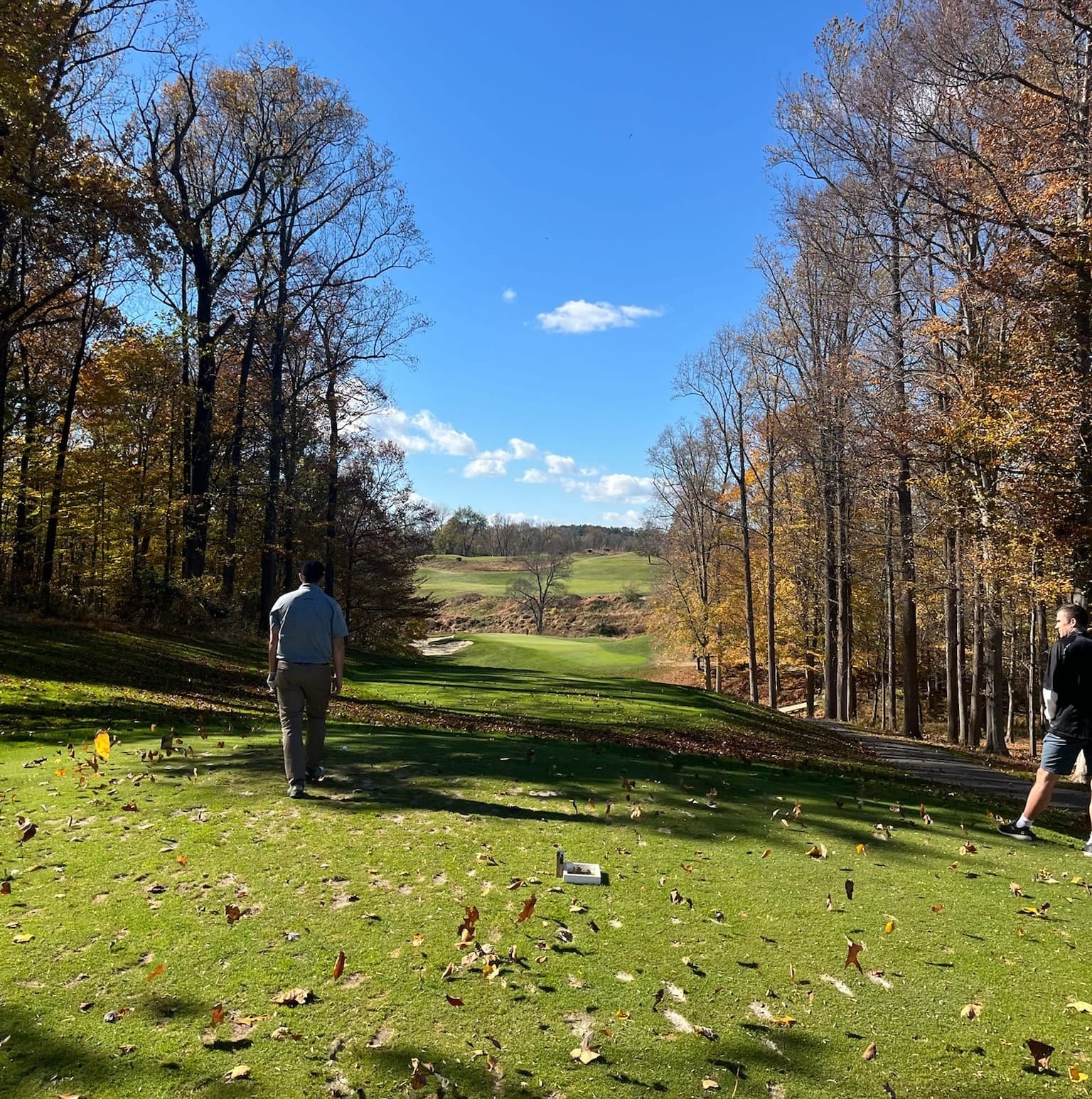
Worthington Manor set the tone for the entire Frederick trip—serious golf, honest tests, and no shortcuts. Exactly how the ryder cup matches should start.
Day 2: Musket Ridge
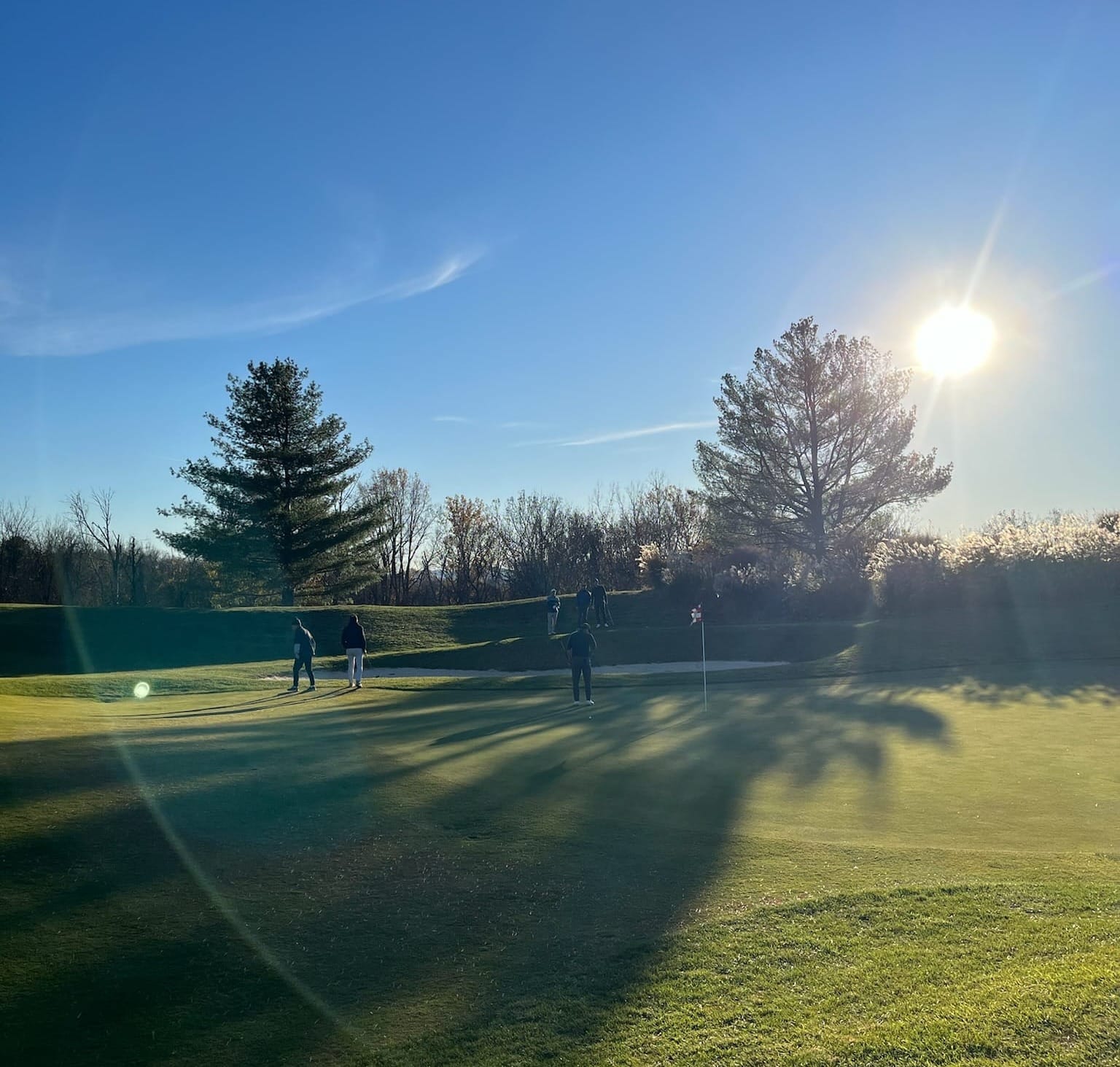
Day 2 brought us to Musket Ridge, one of the most scenic courses in the region and a completely different flavor from Worthington. The rolling hills, wide‑open views, and dramatic elevation changes make it the kind of place where you catch yourself stopping mid‑round just to take in the landscape. But don’t let the beauty fool you—Musket Ridge has plenty of bite. The fairways look generous, but the angles matter, and the greens have enough movement to keep you thinking on every approach.
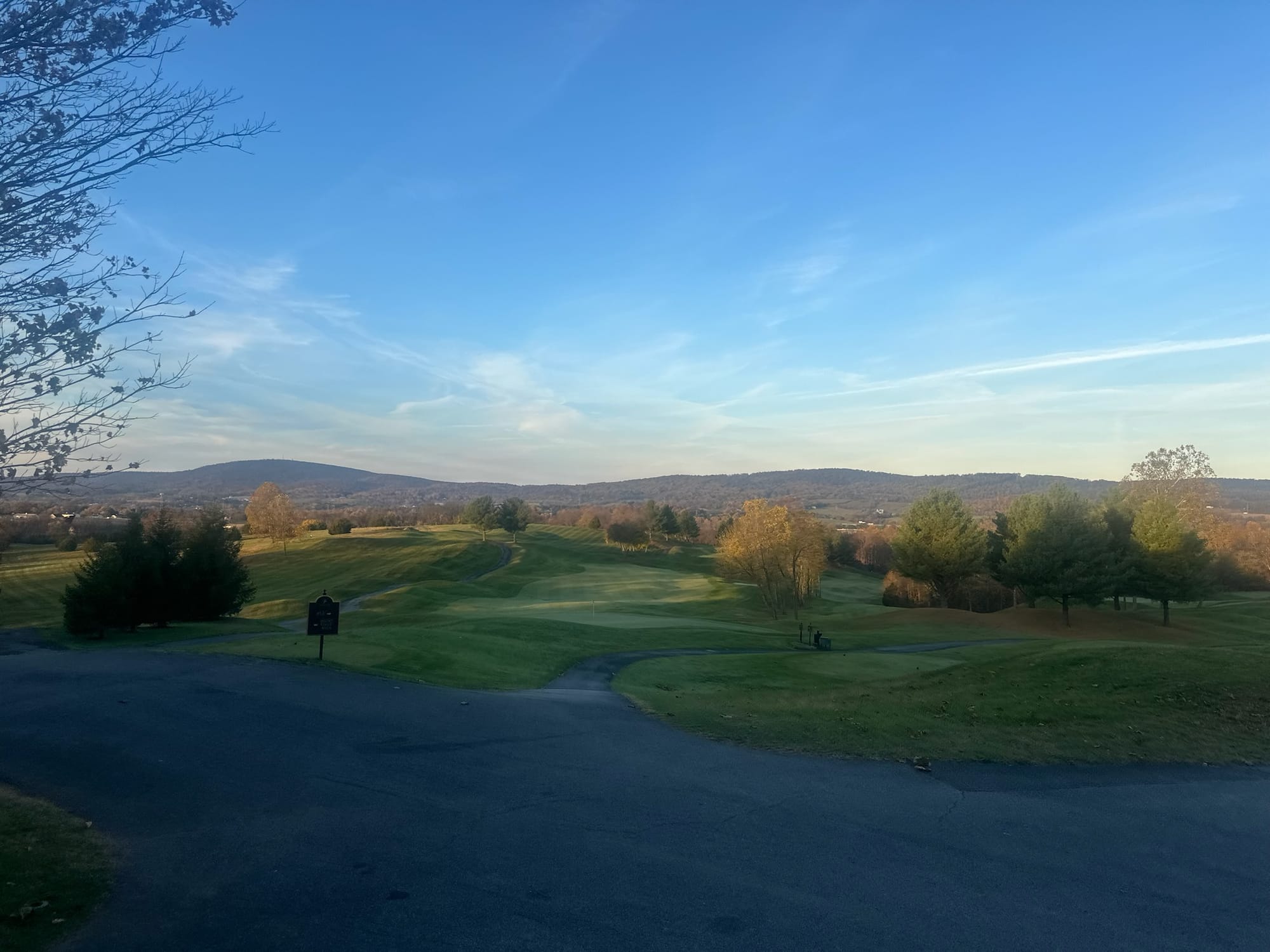

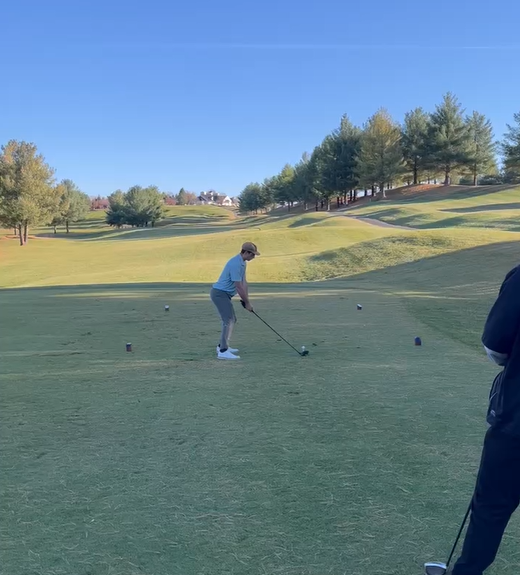
Playing 27 holes here was the perfect follow‑up to Worthington. It was still a grind, but a more enjoyable, flowing one. The course gives you room to play, rewards creativity, and keeps matches competitive without beating you down. By the end of the day, everyone felt like they’d played a full, complete round of golf—challenging but fun, scenic but strategic.
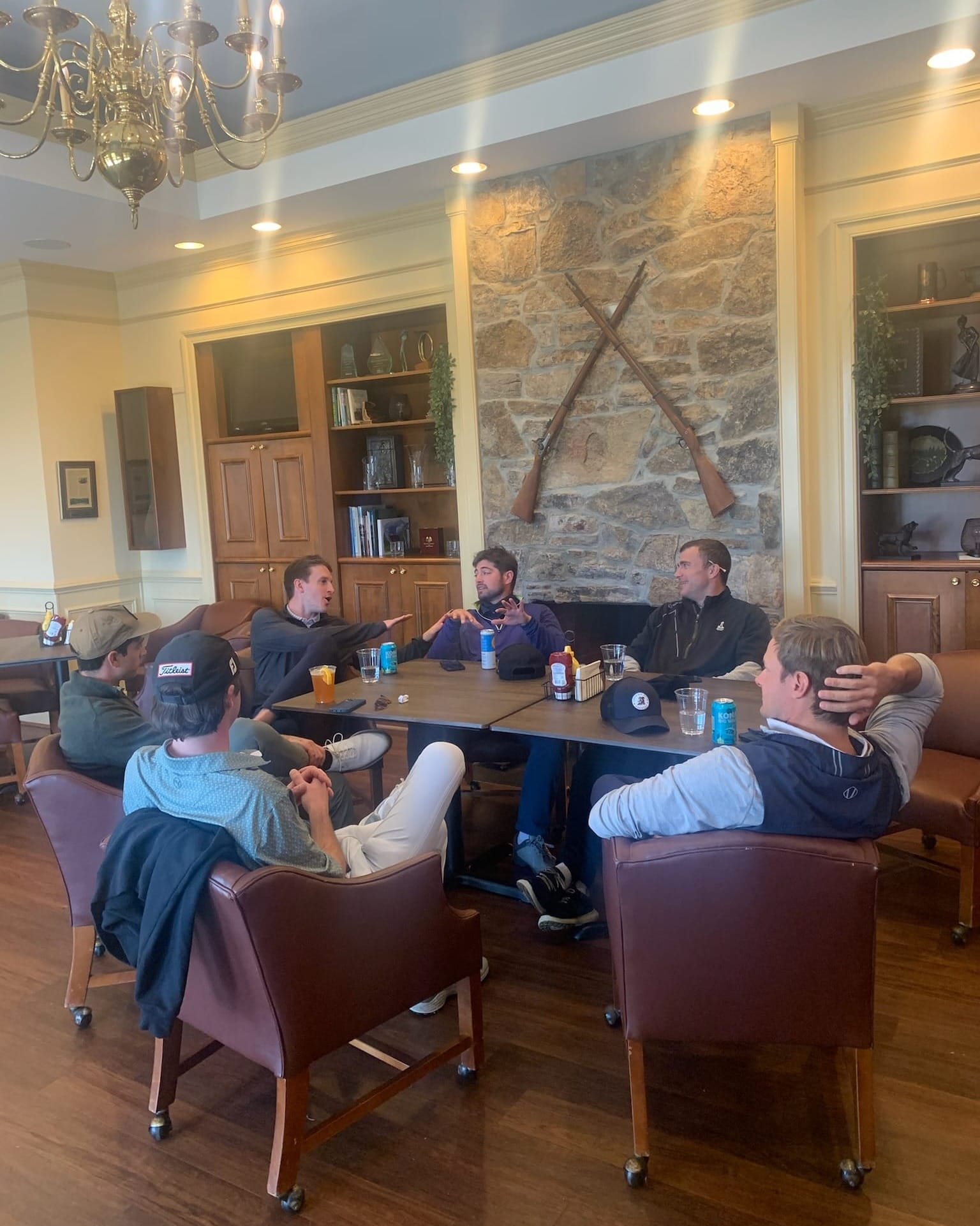
Since we had paid for a full 18‑hole replay, we capped the final 9 with a 4v4 scramble that didn’t count toward the Ryder Cup standings. It was pure fun—course all to us, swinging freely, chasing birdies, and playing until the sun dipped behind the hills. We rolled back to the clubhouse in the dark and tipped the cart guys generously for letting us squeeze every last minute out of the day.
If there’s one regret about the trip format, it’s that Musket Ridge wasn’t the singles venue. It’s a fair, honest test with everything right in front of you—no gimmicks, no blind shots, no trickery. In singles, that matters. When you stick one close, you want your opponent to see it and feel the pressure. PB Dye, where singles were held, doesn’t give you that same psychological edge. Musket Ridge would’ve been the perfect stage for those head‑to‑head battles.
Day 3: PB Dye
Singles Sunday took us to PB Dye, a course that feels like it was engineered in a lab specifically to create chaos—in the best and worst possible ways. It’s quirky, bold, visually intimidating, and absolutely loaded with trouble. Mounds everywhere, deep bunkers, wild green complexes, and tee shots that make you question every decision you’ve ever made with a driver in your hand. It’s the kind of place where anything can happen, which is why it seems like an ideal Ryder Cup singles venue… in theory.
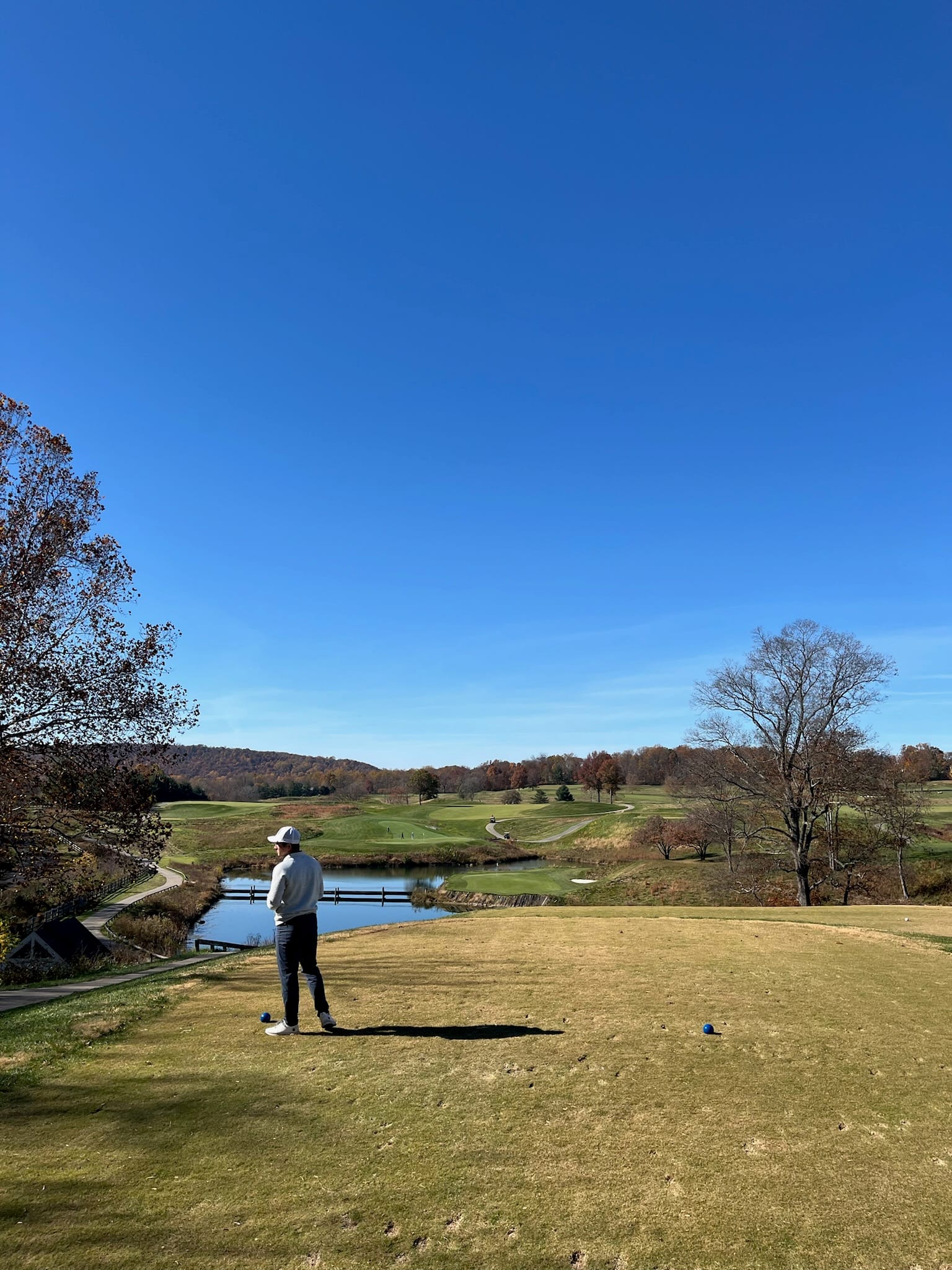
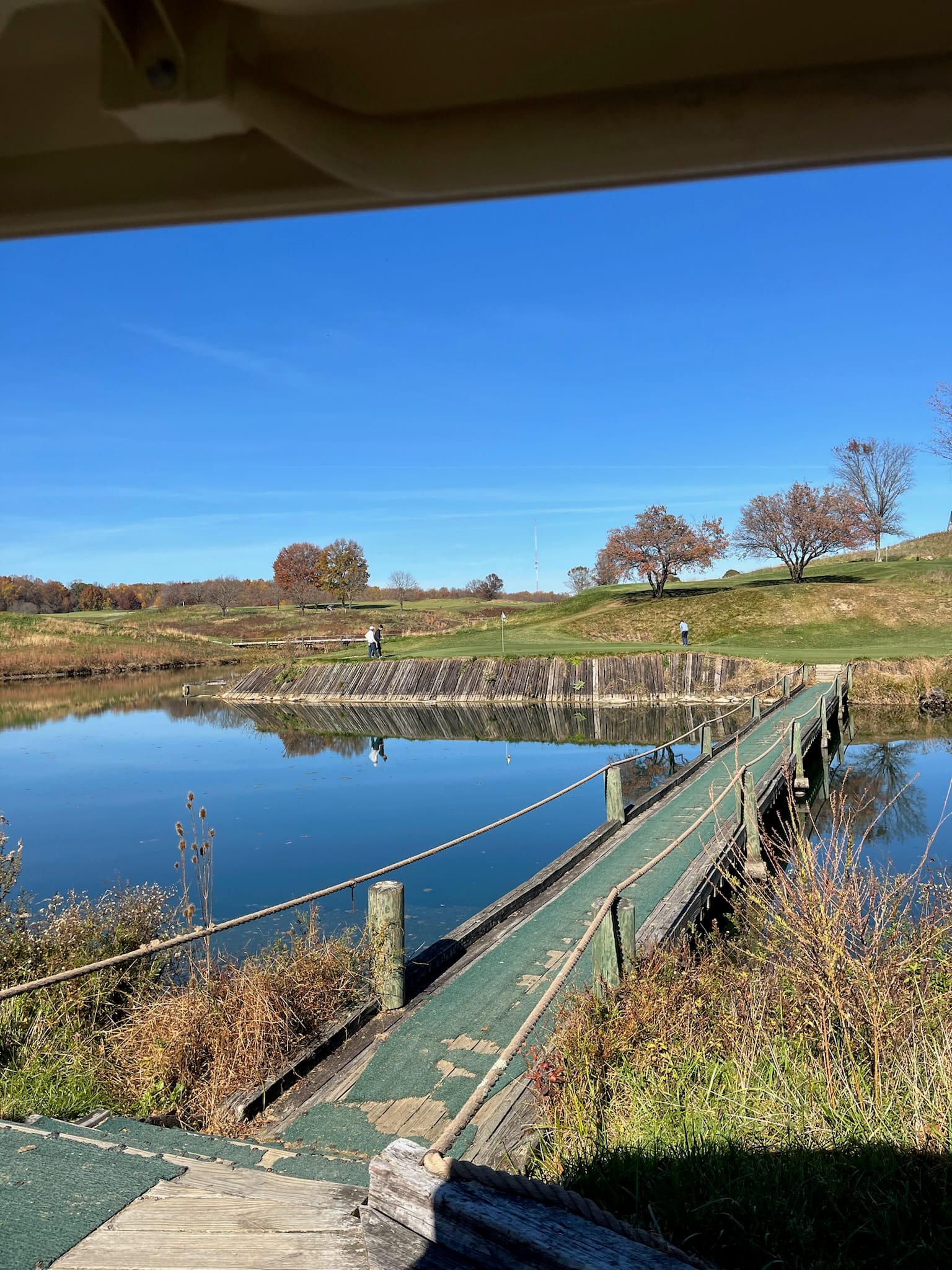
But like I mentioned in the Musket Ridge summary, I’d actually recommend playing 2v2 best ball here instead of singles. PB Dye is a thin‑margin golf course. Miss by a little and you’re in deep fescue. Miss by a little more and you’re in the woods. Miss by a hair on the wrong side and you’re in the drink. There’s a lot of trouble, and on a day when you don’t have your best stuff, it can feel like the course is personally offended by your presence.
I had an up‑and‑down ball‑striking day—more down than up—and I got smoked in my singles match. After the round, with my team already having secured the overall victory, I was loudly declaring PB Dye the worst course I’d ever played. But looking back at the pictures later, it was obvious: I was just salty. The course is quirky, yes, but it’s also fair if you’re striking it well. PB Dye rewards good shots; it just exposes bad ones with zero hesitation.
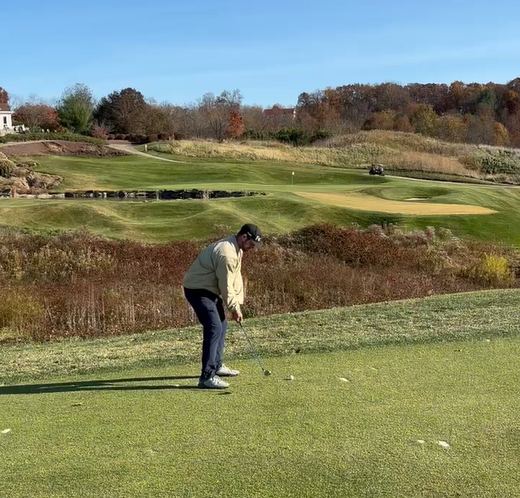
As a finale, it still delivered drama. Holes swing quickly, momentum shifts fast, and no lead feels safe. PB Dye doesn’t play like a traditional course—it plays like an adventure. And even though it humbled me, it gave the trip exactly what a Boys Ryder Cup needs on the last day: unpredictability, pressure, and a setting where every shot feels like it matters.
What It Cost - and What Made It Worth It
This Frederick trip was built for value, and it delivered exactly what we were looking for. By booking tee times directly through the pro shops—and getting discounted rates on the final nine at both Worthington Manor and Musket Ridge—we kept the golf costs surprisingly reasonable for 72 total holes. Driving instead of flying saved a chunk of money too, which helped keep the whole weekend firmly in the “affordable golf trip” category.
We stayed at a Homewood Suites by Hilton, and while it wasn’t a luxury villa or resort, it absolutely did the trick. The place had everything we needed: a pool for decompressing after long days, a basketball court for the boys who still had energy to burn, and plenty of restaurants nearby. One night we even headed into town for a proper steak dinner, which added a nice touch of “trip upgrade” without blowing the budget.
Frederick isn’t your typical golf‑destination postcard, but that’s part of the charm. The area has a subtle Civil War vibe—rolling farmland, old stone walls, and a sense of history that gives the courses a different kind of character. And honestly, not every golf trip needs to be an extravagant resort experience. Sometimes the best trips are the ones where the golf is strong, the logistics are easy, and the price doesn’t make you wince.
What made this one worth it wasn’t just the savings—it was the simplicity. Great golf, good food, easy travel, and your buddies right there with you. At the end of the day, that’s the whole point of these trips. The destination matters, but the company matters more.
Price $$
Member discussion: